
Bioactive Custodians and Clean-Up Crew
A planted enclosure is not automatically bioactive.
A true bioactive crested gecko enclosure relies on a living system of plants, substrate, leaf litter, moisture, microorganisms and custodians. These custodians help break down waste and organic matter, making the enclosure more stable and more naturalistic.
Without them, the enclosure may still be planted, but it will usually need more direct cleaning and maintenance.
Meet the Clean-Up Crew
The custodians that turn a planted enclosure into a working bioactive system.
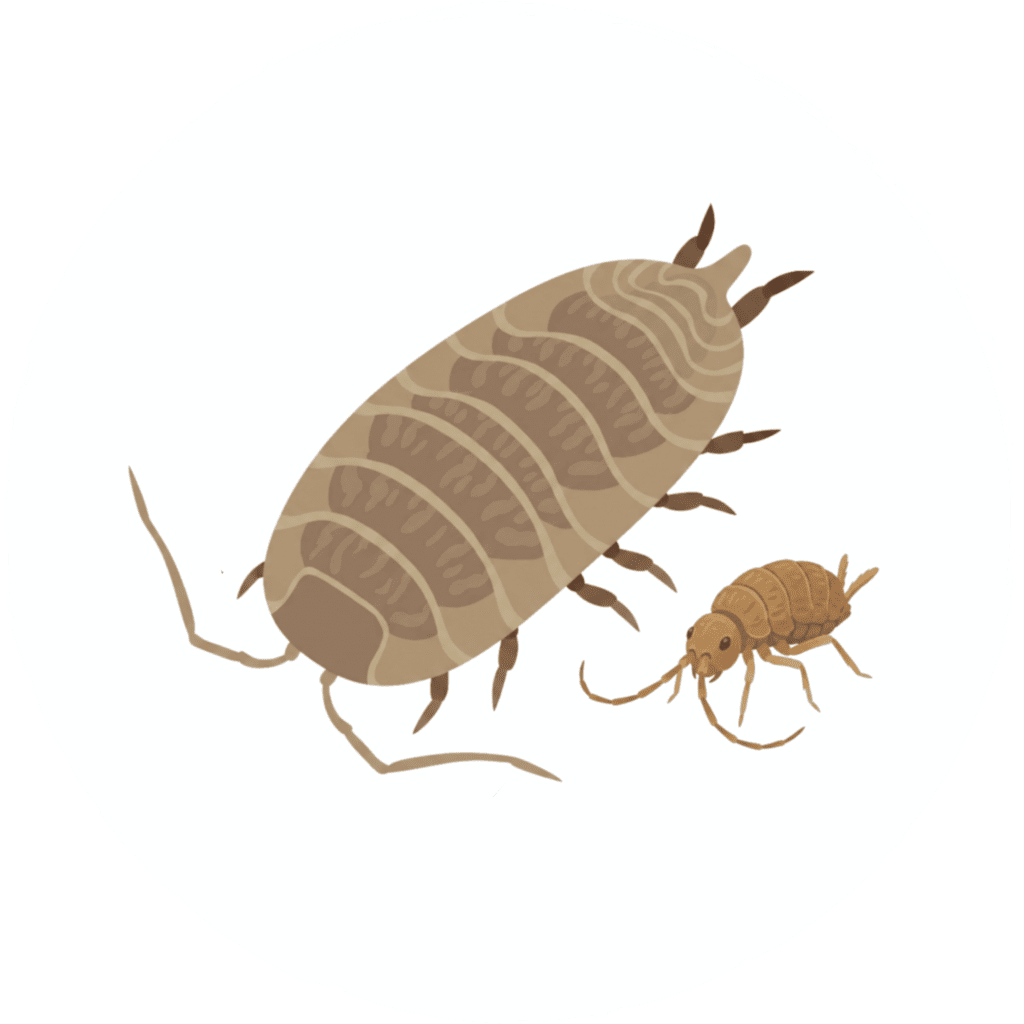
What Custodians Do
Custodians help break down:
- Waste
- Shed skin
- Leftover food
- Decaying leaves
- Rotting plant material
- Mould growth
- Organic debris in the substrate
They do not remove the need for good husbandry, but they help the enclosure function more like a living system.

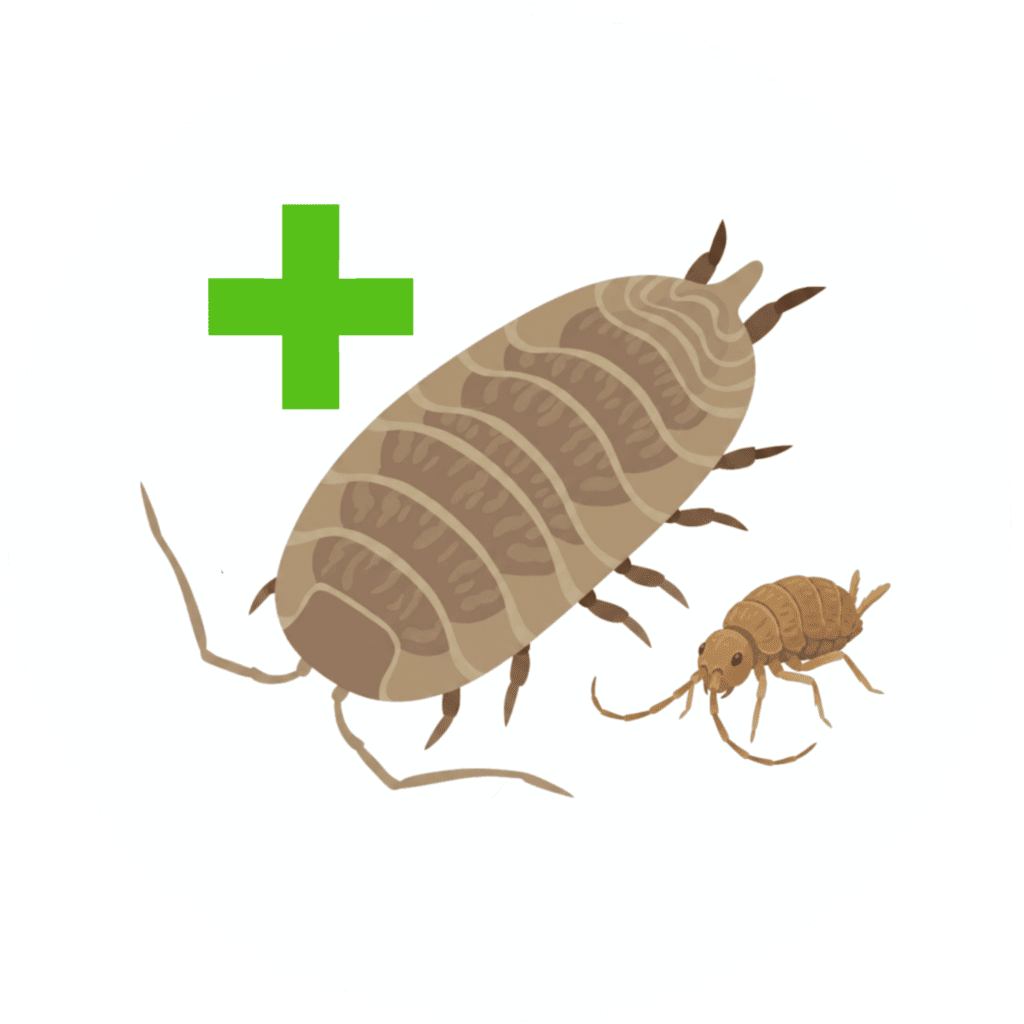
Springtails
Springtails are one of the most useful custodians in humid tropical setups.
They help control mould and feed on decaying organic matter. They are especially useful in moist areas, leaf litter and around the substrate surface.
Springtails are small, easy to introduce and can reproduce well when the enclosure conditions are suitable.
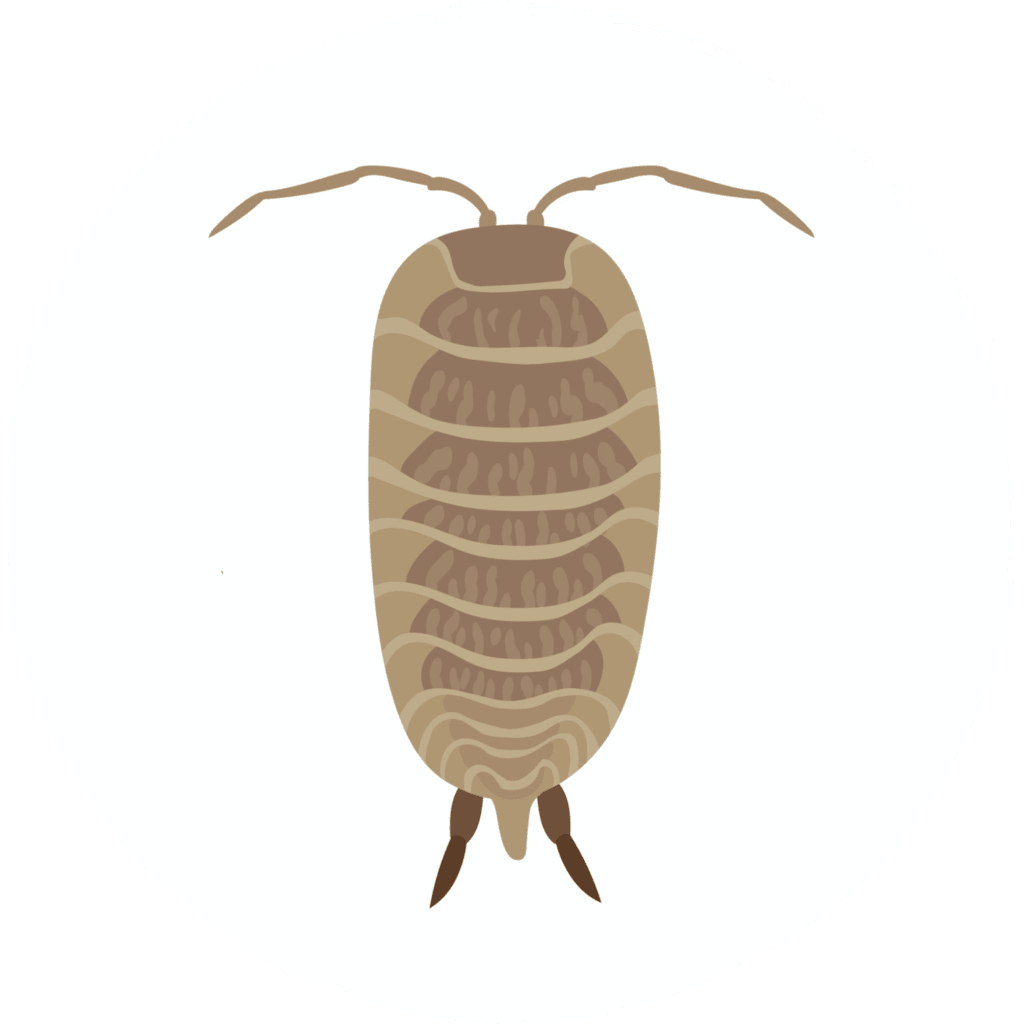
Tropical Woodlice (Isopods)
Tropical woodlice, often called isopods, are another important part of the clean-up crew.
They help break down organic material and move through the substrate and leaf litter. They are especially useful in larger, well-established bioactive enclosures.
However, crested geckos may eat them. This means the population should be checked and topped up when needed.
Setting Up for Success
Custodians only thrive when the enclosure gives them shelter, moisture and time.

Leaf Litter
Leaf litter is one of the most important parts of a bioactive enclosure.
It provides:
- Shelter for custodians
- Feeding material for the clean-up crew
- A natural surface layer
- Protection from constant contact with damp substrate
- Support for humidity and microclimates
A bioactive enclosure without leaf litter is usually less stable and less useful for the clean-up crew.
Moisture Balance
Custodians need moisture, but the enclosure should not be constantly wet or stagnant.
A good setup should include:
- Humid areas
- Drier areas
- Leaf litter
- Ventilation
- Drainage where appropriate
- Regular but controlled misting
This creates a more stable environment for both the gecko and the clean-up crew.
Give the System Time
A bioactive enclosure should be allowed time to establish where possible.
This gives:
- Plants time to root in
- Springtails time to spread
- Isopods time to settle
- Leaf litter time to begin breaking down
- The keeper time to monitor humidity and airflow
Adding the gecko too quickly can make it harder for the clean-up crew to establish, especially if the gecko eats some of the isopods.
Keeping It Working
A bioactive enclosure still needs a keeper. These are the regular jobs and the warning signs to look out for.

Bioactive Does Not Mean No Cleaning
Bioactive does not mean maintenance-free.
Keepers should still:
✓ Remove uneaten food
✓ Spot clean obvious waste
✓ Check for mould blooms
✓ Monitor the clean-up crew
✓ Replace leaf litter when needed
✓ Prune plants
✓ Check humidity and ventilation
✓ Top up custodians if numbers fall
The clean-up crew supports good husbandry. It does not replace it.
When to Top Up Custodians
Signs to watch for
The clean-up crew may need to be topped up if:
- Isopods are no longer visible
- Waste is not breaking down
- Mould becomes persistent
- Leaf litter is not being processed
- The enclosure smells unpleasant
- The gecko is regularly hunting the isopods
- The enclosure has recently been heavily cleaned or replanted
Topping up custodians is normal in crested gecko enclosures.
For the most common clean-up crew mistakes, see The Bioactive System section of Common Bioactive Planting Mistakes.
Final Advice
A bioactive crested gecko enclosure is a living system. Plants, substrate, leaf litter, custodians, humidity and maintenance all work together.
Without custodians, it is planted rather than truly bioactive. With the right clean-up crew and good maintenance, the enclosure can become more stable, more naturalistic and easier to manage over time.