
Common Bioactive Planting Mistakes
A naturalistic crested gecko enclosure should be designed to mature over time. One of the most common mistakes is trying to make the enclosure look completely finished on day one.
Plants grow, spread, compete and change. A setup that looks impressive immediately can become overcrowded, unbalanced or difficult to maintain once the plants establish.
The aim is not to build the fullest-looking enclosure. The aim is to build the most functional one.
In this guide
Planting and Growth
How you plant on day one decides how the enclosure grows over the following months.
Mistake 1: Overcrowding the Enclosure From Day One
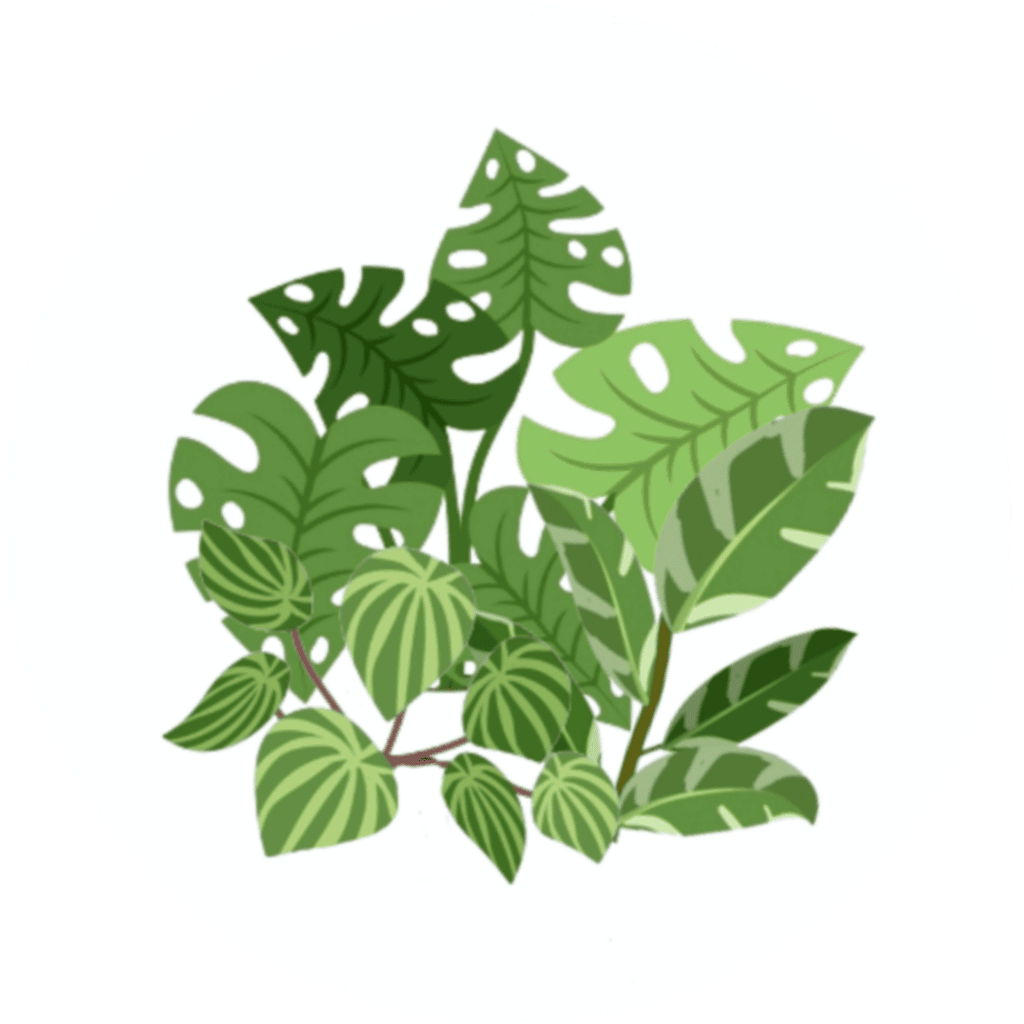
It is tempting to add lots of plants straight away, especially when building a display enclosure. The problem is that many plants will grow into the space once they settle.
If too many plants are added at the start, the enclosure can quickly become overcrowded. This can reduce airflow, block climbing routes and make it harder to monitor the gecko.
Do this instead
A better approach is to plant with growth in mind. Leave gaps, give plants space to establish and allow the enclosure to mature naturally.
Mistake 2: Mixing Fast Growers With Delicate Plants
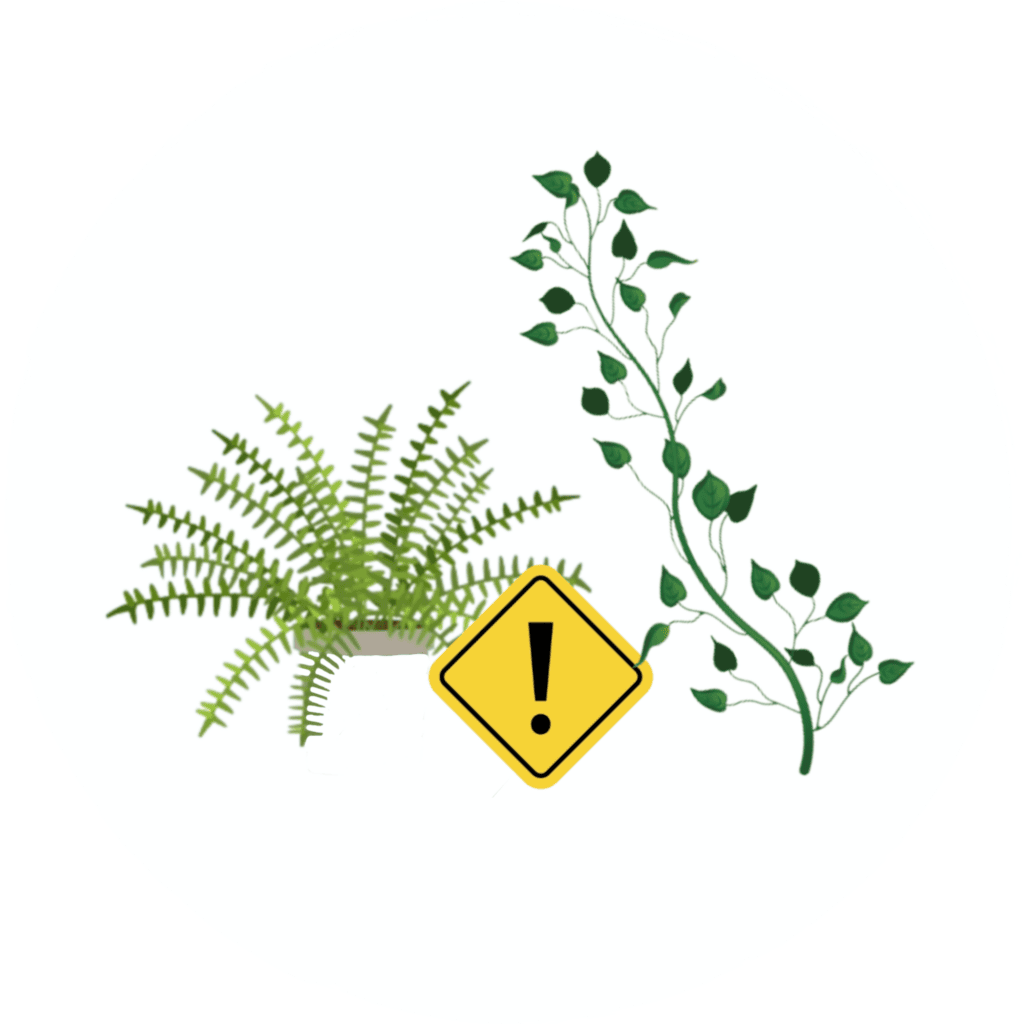
Some terrarium plants grow much faster than others. Epipremnum, Ficus and certain trailing plants can quickly dominate if they are left unchecked.
Slower plants such as Hoya, some ferns and small epiphytes may struggle if they are shaded, crowded or outcompeted.
Do this instead
When mixing plants, consider how they will grow over the next few months, not just how they look on the day they are planted.
Mistake 3: Adding Large Feature Plants Too Early
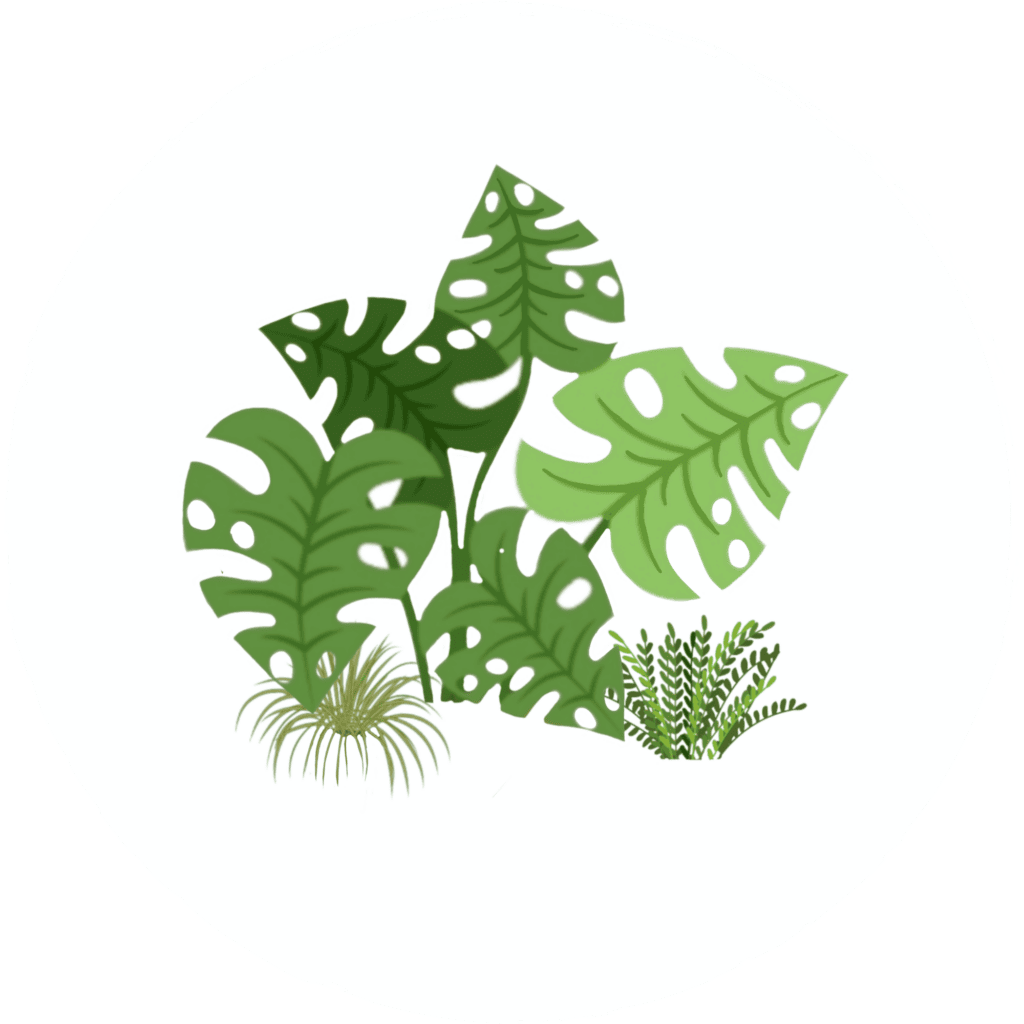
Large feature plants can look impressive, but they can also dominate the enclosure before the rest of the planting has established.
Do this instead
In many cases, it is better to begin with smaller plants and allow them to grow into the layout. This gives the keeper more control and reduces the risk of the enclosure becoming unbalanced.

Mistake 4: Not Pruning
Pruning is not a sign that something has gone wrong. It is a normal part of maintaining a planted enclosure.
Do this instead
Regular pruning helps:
- Maintain airflow
- Keep feeding areas accessible
- Prevent fast growers taking over
- Protect slower-growing plants
- Keep climbing routes open
- Encourage healthier plant growth
A bioactive enclosure should be maintained like a living system.
Mistake 5: Expecting the Enclosure to Stay the Same
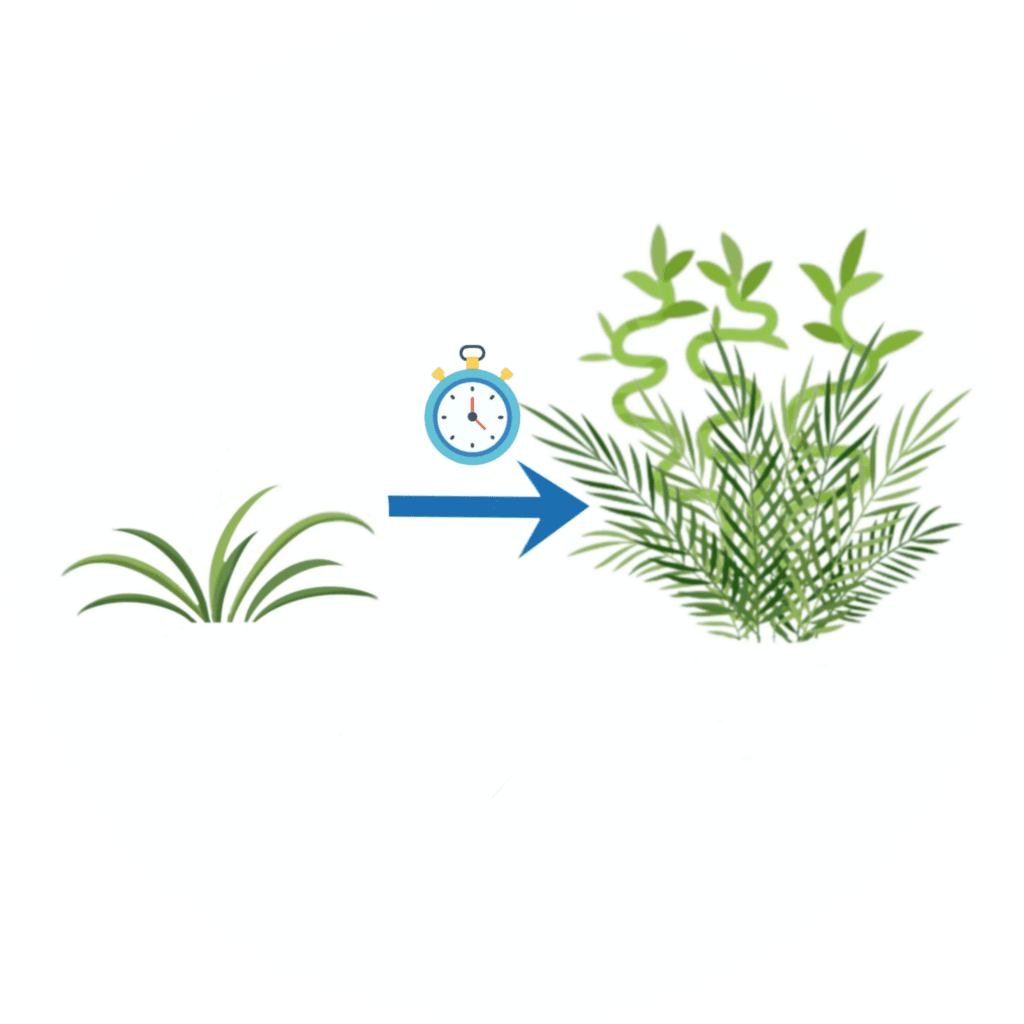
A planted enclosure will change. Some plants will grow quickly, some will slow down, and some may need replacing.
This is normal.
Do this instead
The aim is not to create a fixed display that never changes. The aim is to create a stable, living environment that can be maintained over time.
Layout and Structure
Plants and hardscape should work around how a crested gecko moves, rests and hides.

Mistake 6: Forgetting About Airflow
Crested gecko enclosures need humidity, but they should not be stagnant.
Dense planting can trap moisture and reduce airflow if it becomes too heavy. This can create problems for both the plants and the enclosure environment.
Do this instead
Good planting should create shelter and humidity while still allowing air movement through the enclosure.
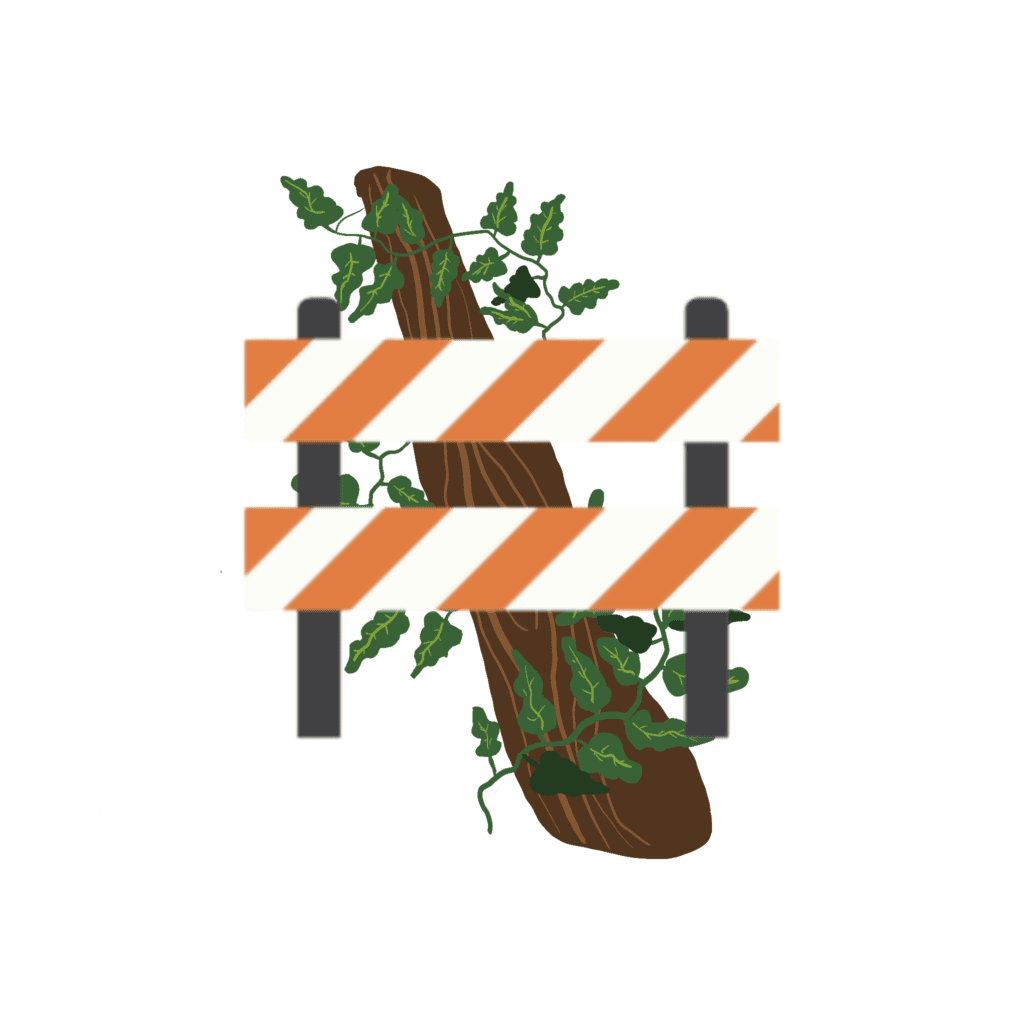
Mistake 7: Blocking Climbing Routes
Plants should support the gecko’s use of the enclosure, not get in the way of it.
A well-planted setup should still include clear climbing routes, resting branches and access to feeding areas. If foliage blocks everything, the enclosure may look natural but function poorly.
Do this instead
Use branches, cork bark and vines to create usable movement routes through the planting.
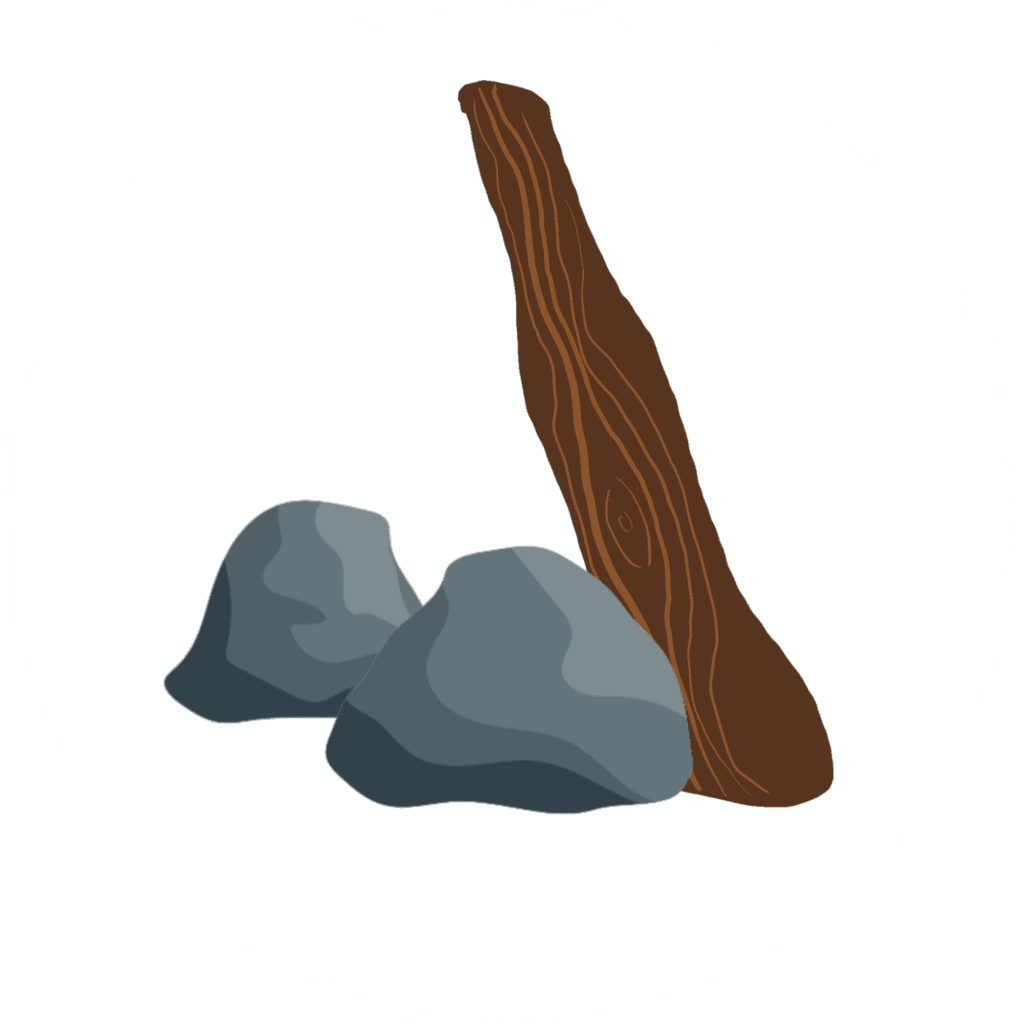
Mistake 8: Using Too Much Bulky Hardscape
Cork tubes and large pieces of hardscape can be useful, but they should not dominate the enclosure.
Crested geckos benefit from thin peripheral branches that fill the enclosure and create usable routes. Large flat surfaces and bulky cork can take up space without providing the same level of fine climbing structure.
Do this instead
Hardscape should create movement routes, cover and attachment points for plants.
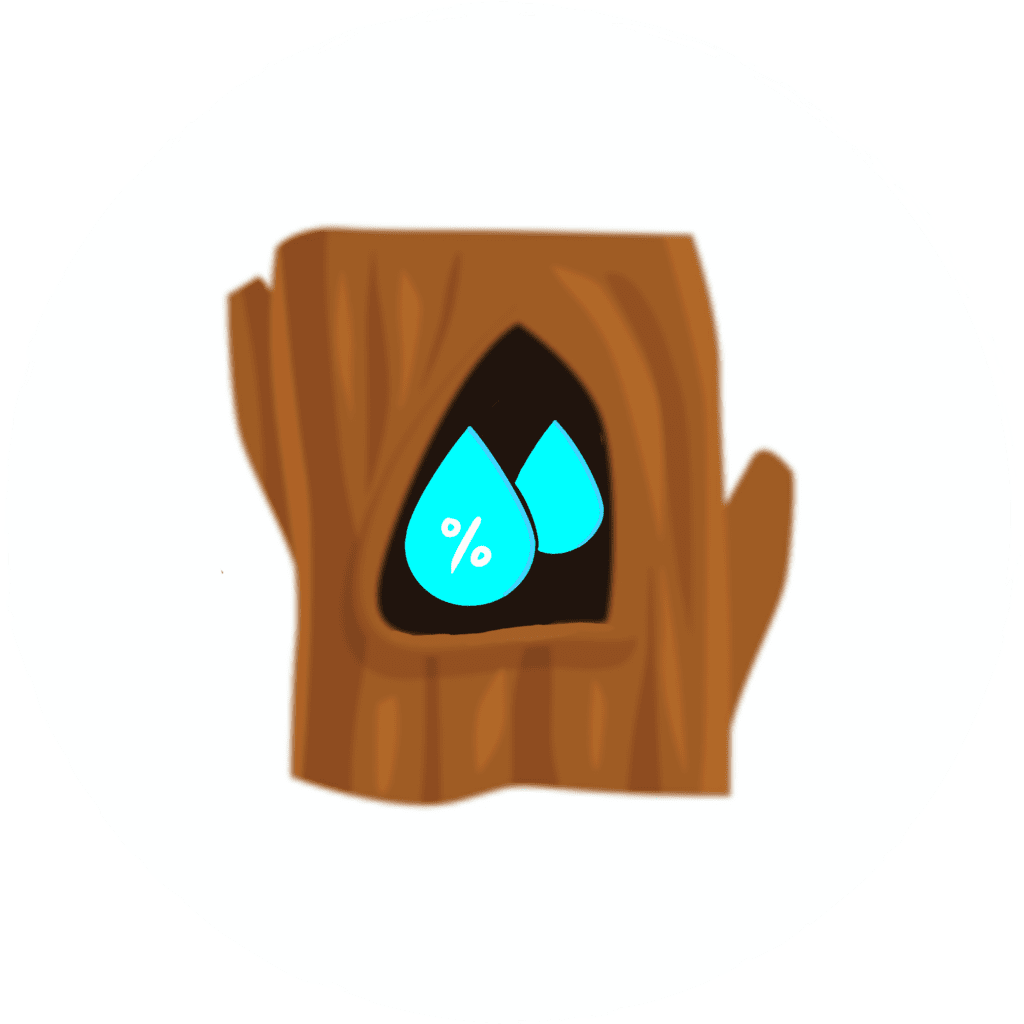
Mistake 9: Forgetting the Humid Hide
A planted enclosure may hold humidity well, but that does not remove the need for secure humid retreat areas.
Do this instead
At least one hollow, constantly humid hide should be available. This gives the gecko a reliable secure area and supports good husbandry during changing seasonal conditions.
The Bioactive System
A bioactive enclosure depends on its clean-up crew and the layers that support it. For more on setting up and maintaining a clean-up crew, see Bioactive Custodians and Clean-Up Crew.
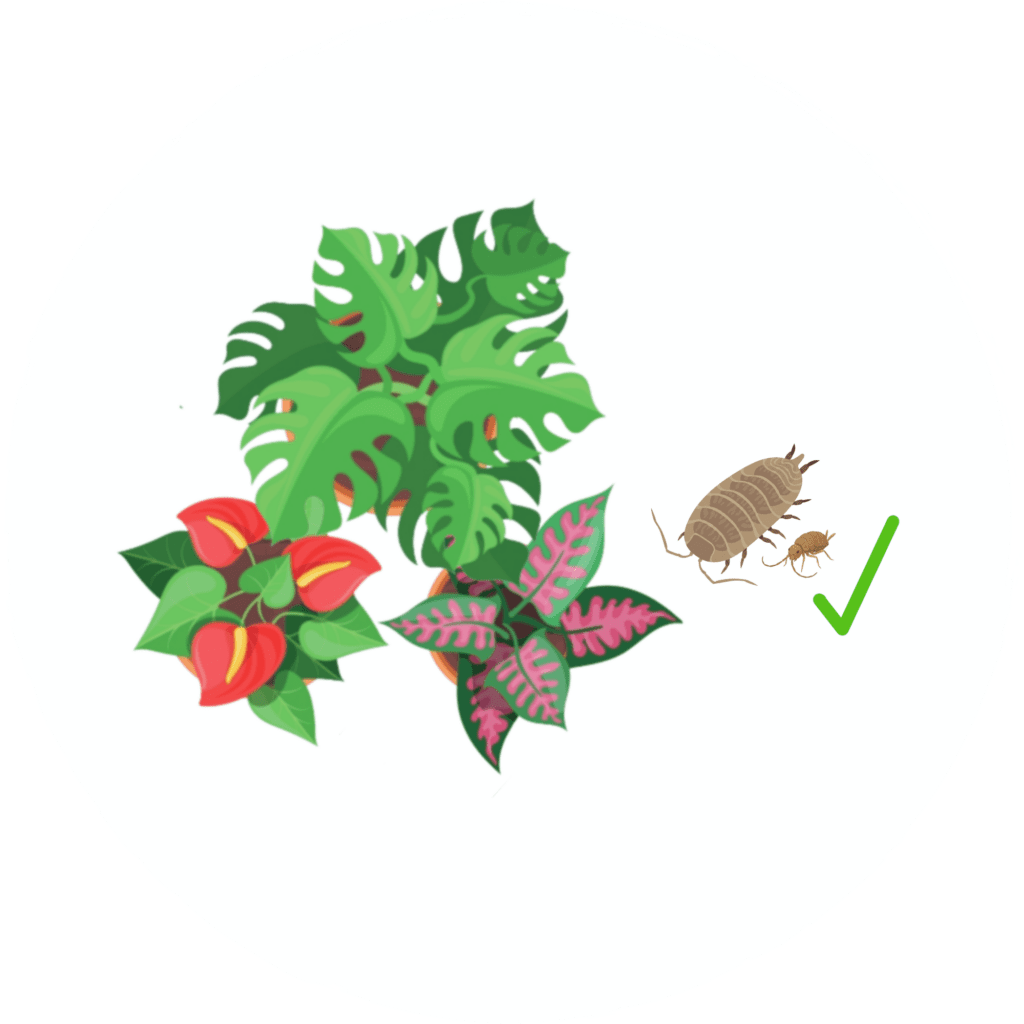
Mistake 10: Treating a Planted Tank as Bioactive
A planted enclosure is not the same as a bioactive enclosure.
Do this instead
A true bioactive setup needs a functioning clean-up crew. Custodians such as springtails and tropical woodlice help break down waste, leftover food, shed skin and decaying plant material.
Without custodians, the enclosure may still look planted and natural, but it will usually require more direct cleaning from the keeper. In that situation, it is more accurate to describe it as a planted terrarium rather than a complete bioactive system.
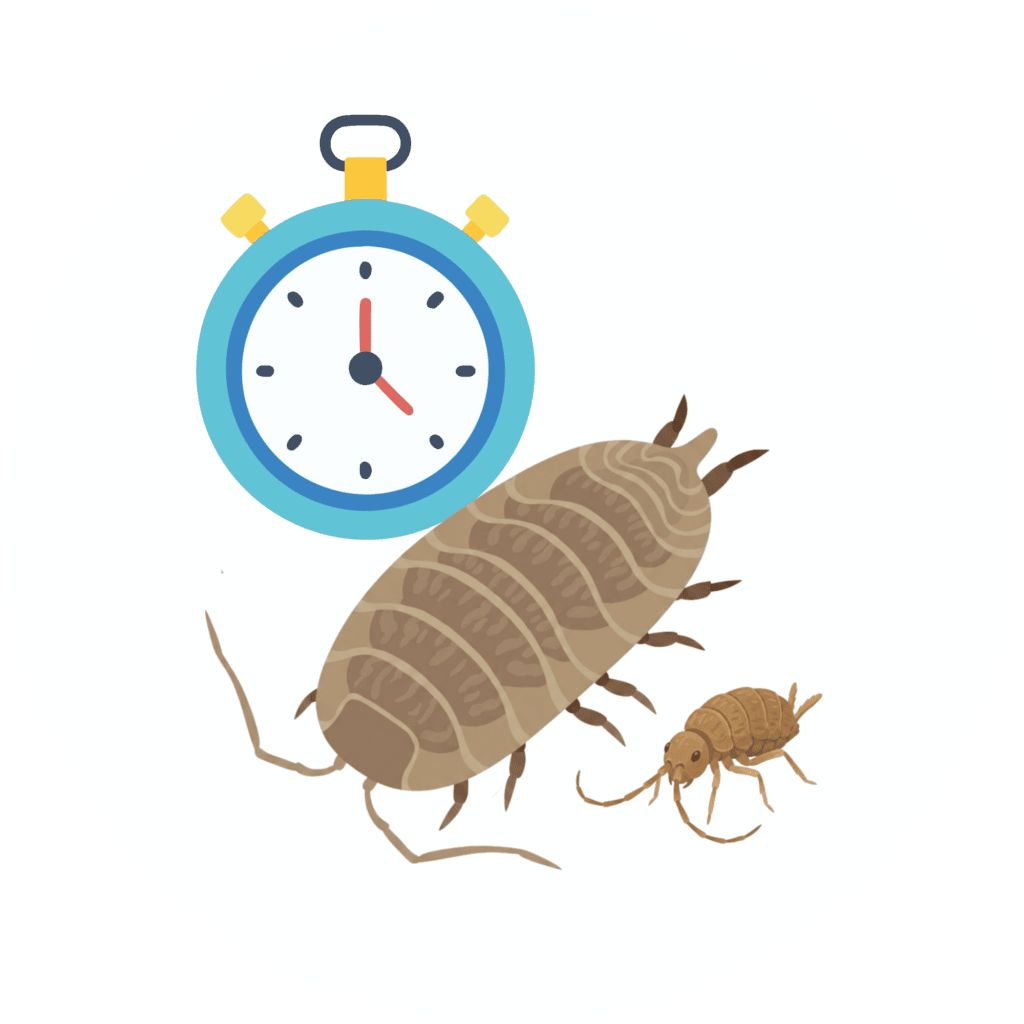
Mistake 11: Not Giving the Clean-Up Crew Time to Establish
Custodians need time to settle and reproduce. If the gecko is added immediately, the clean-up crew may struggle to establish properly.
Do this instead
Where possible, allow the enclosure to settle before adding the animal. This gives plants time to root in and gives the custodians a better chance of building a stable population.
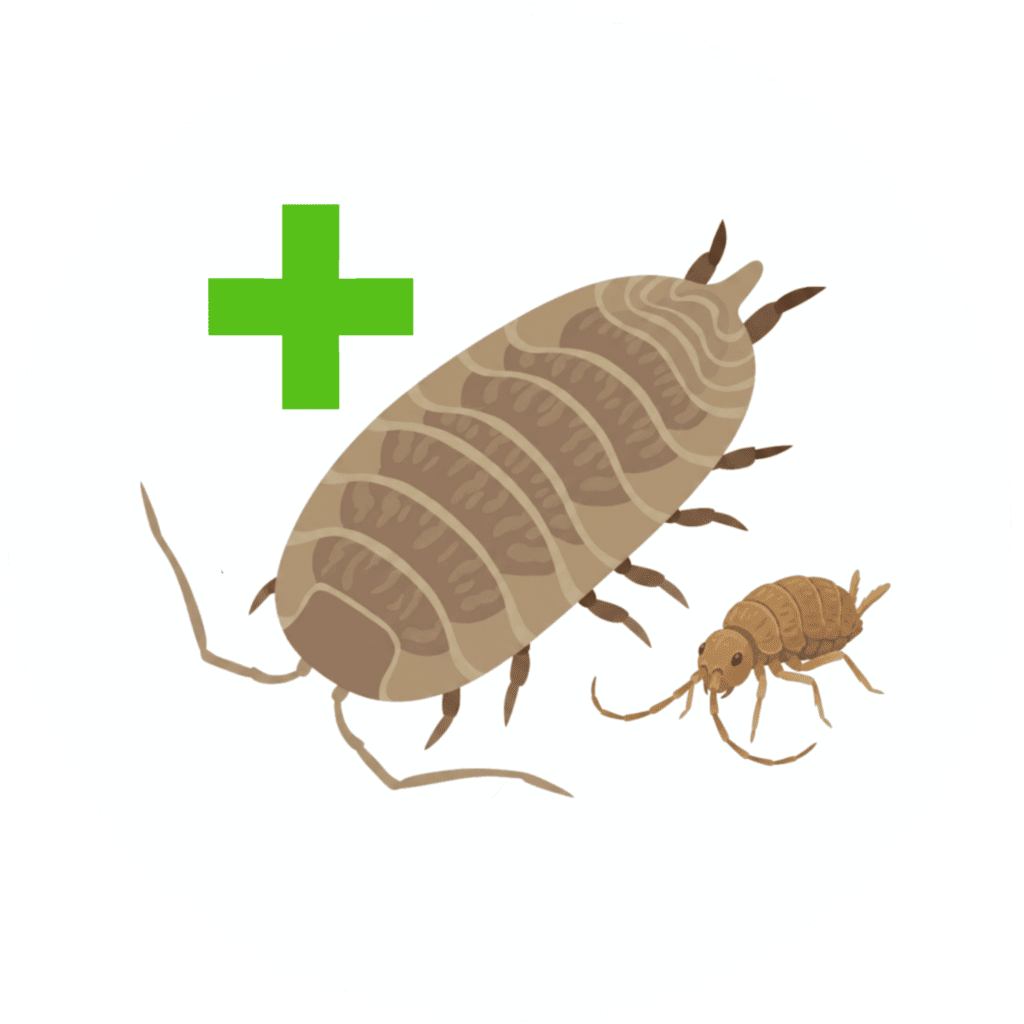
Mistake 12: Not Replacing the Clean-Up Crew When Needed
Crested geckos may eat woodlice (isopods) and other clean-up crew animals. Over time, this can reduce the custodian population.
Do this instead
A bioactive enclosure should be monitored to make sure the clean-up crew is still active. If numbers drop, they may need to be topped up.
The clean-up crew is part of the system, not a one-time addition that can be ignored forever.
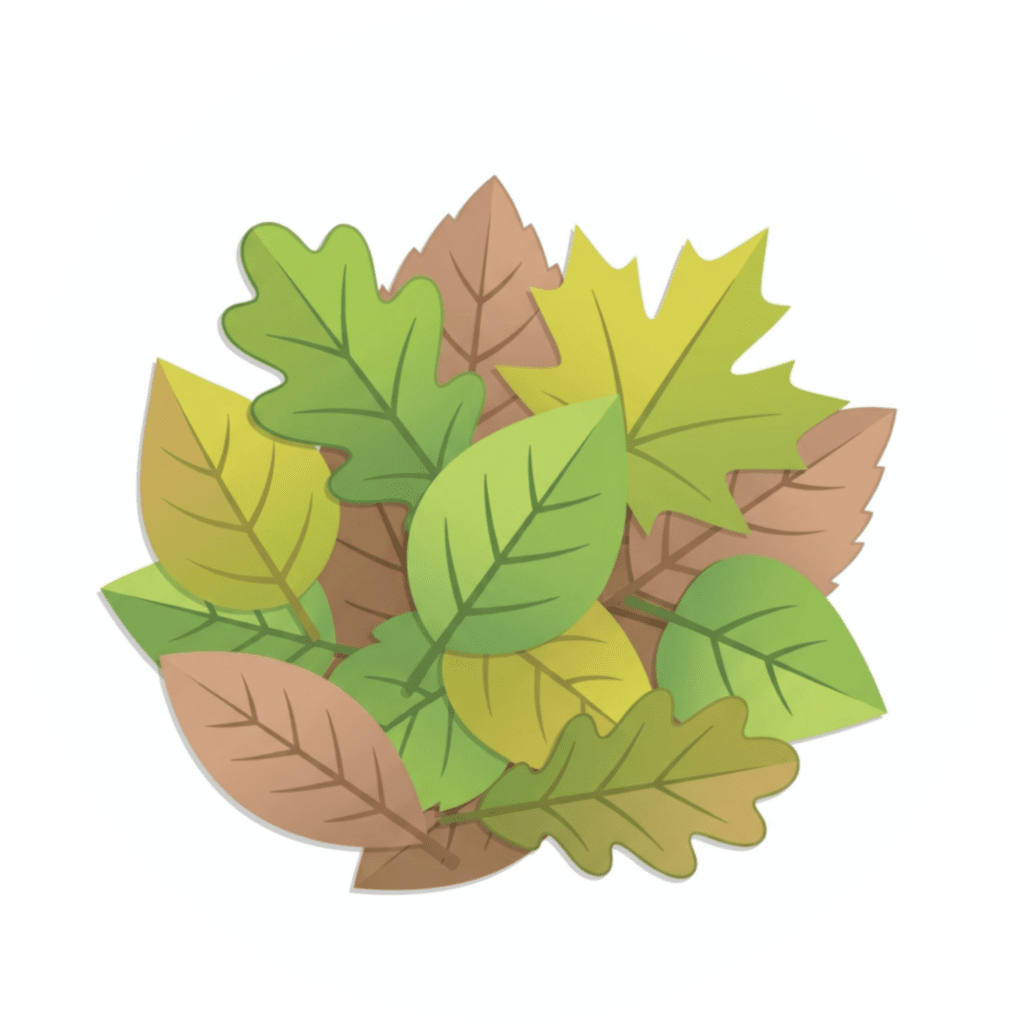
Mistake 13: Ignoring Leaf Litter
Without leaf litter, a bioactive enclosure is less stable and the clean-up crew has fewer places to live and feed.
Do this instead
Leaf litter is not just decoration. It creates a more natural surface layer, supports custodians and helps break up contact with damp substrate.
Checklist
Before you add your gecko
✓ Plants have space to grow into, not just to fill
✓ Fast growers are kept away from slower, delicate plants
✓ Small plants are used in place of large feature plants
✓ Air can still move through the planting
✓ Clear climbing routes, resting branches and feeding access are in place
✓ Thin branches do most of the climbing work, with bulky hardscape kept to a minimum
✓ At least one hollow, constantly humid hide is in place
✓ Leaf litter covers the substrate
✓ The clean-up crew has been added and given time to settle
As the enclosure matures
✓ Prune regularly to keep routes, airflow and feeding areas open
✓ Check the clean-up crew is still active and top it up if numbers drop
✓ Expect plants to change, and replace or move them as needed
Final Advice
The best bioactive crested gecko enclosures are built with patience. Start with suitable plants, leave room for growth, use a proper clean-up crew and maintain the setup as it develops.
A naturalistic enclosure should look good, but more importantly, it should function well for the animal.