
Crested Gecko Natural Habitat Planting Guide
Crested geckos are found in the humid forest environments of New Caledonia, where they move through dense vegetation, thin branches, vines, ferns, epiphytes and fruiting understory plants.
A naturalistic crested gecko enclosure should not simply be filled with attractive plants. It should recreate the structure and function of the habitat: height, cover, humidity, climbing routes, shaded resting areas, feeding access and environmental security.
Blue River Diets supports large, well-structured enclosures for adult crested geckos. For adults, a tall enclosure should be treated as the standard, with 45x45x90cm used as the minimum adult benchmark and larger enclosures encouraged wherever possible. The main rule is simple: bigger, taller and better structured is better.
This guide is designed to help keepers create better planted environments within suitable adult housing, rather than encouraging small or overcrowded setups.
The Crested Gecko Planting Guide
- Natural Habitat Planting Guide (this page) – Start here: the principles behind a naturalistic enclosure
- Expedition Plant Reference – What we recorded growing in crested gecko habitat
- Best Plants for Naturalistic Enclosures – Plants you can actually use, layer by layer
- Bioactive Custodians and Clean-Up Crew – Springtails, woodlice and keeping the system working
- Common Bioactive Planting Mistakes – Thirteen mistakes to avoid, with the fix for each
Recreating Habitat Function
It is not realistic, or always appropriate, to plant a crested gecko enclosure only with species found in New Caledonia. Many native plants become too large, are difficult to source, or are unsuitable for normal reptile enclosures.
Instead, the aim is to recreate what those plants do in the habitat.
A naturalistic crested gecko enclosure should include:
- Ground cover to support humidity and soften the base of the enclosure
- Leaf litter to create a natural surface layer over the substrate
- Mid-level foliage to create shelter and visual barriers
- Climbing and trailing plants to replicate dense forest growth
- Epiphytic plants mounted higher in the enclosure
- Ferns to create shaded, humid cover
- Thin branches, vines and textured routes that fill the usable space
- A hollow, constantly humid hide
- Open access for feeding, observation and maintenance
- A functioning bioactive clean-up crew if the enclosure is described as bioactive
The best setups are not the ones with the most plants on day one. They are the ones that develop into stable, usable environments over time.
General Planting Rules
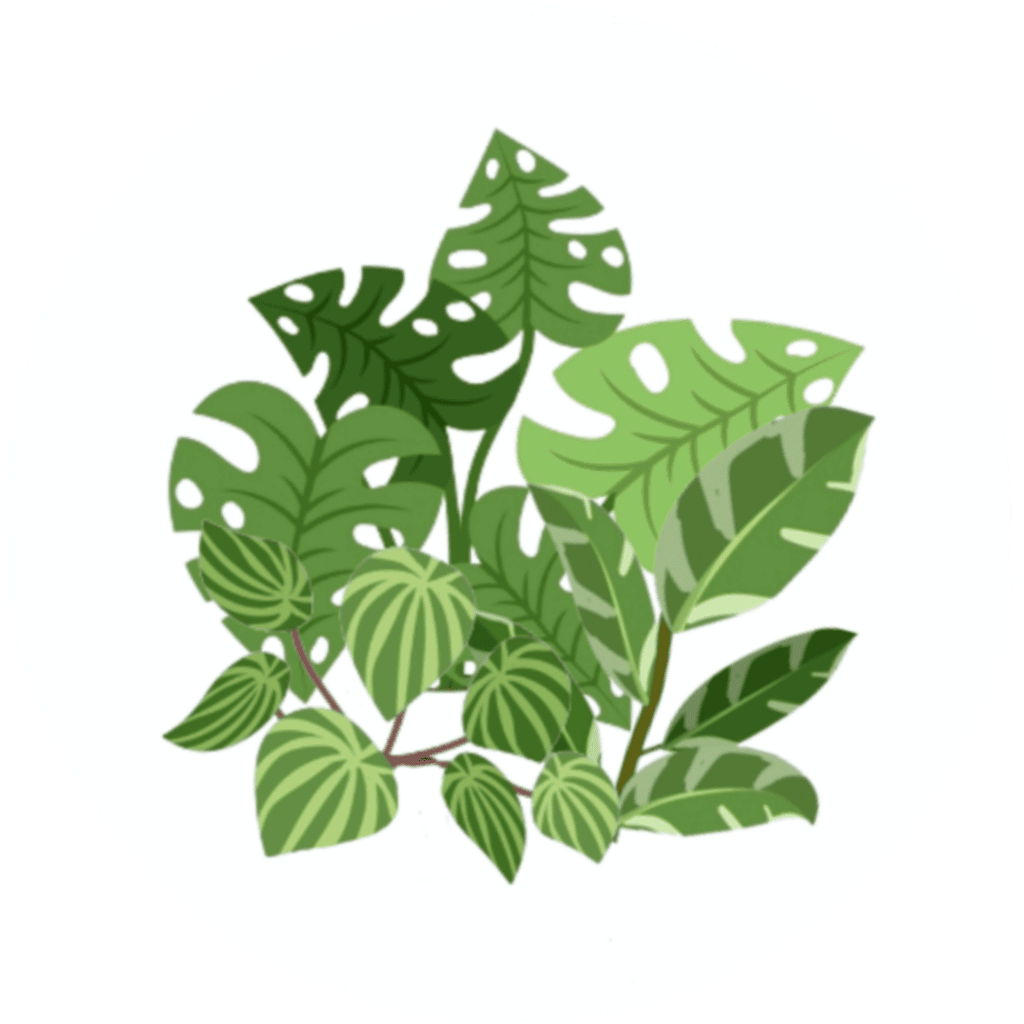
Do Not Overcrowd the Enclosure From Day One
A newly planted enclosure can look sparse at first, but this is not a problem. Plants need room to establish, root in and grow into the space.
Overplanting from day one may look impressive immediately, but it often causes problems later. Fast-growing plants can shade out slower species, compete for nutrients and eventually dominate the enclosure. This can lead to plant loss, poor airflow and a setup that becomes harder to maintain.
Start with fewer plants, place them carefully and allow the enclosure to mature.

Allow Plants to Establish
Plants should be given time to settle before the enclosure is treated as finished. Newly planted setups often go through a transition period where some plants grow strongly, some slow down and others need repositioning.
This is normal.
A naturalistic enclosure should be viewed as a living system, not a one-day decoration project.
Use Fast Growers Carefully
Fast-growing plants are useful, but they need control. Epipremnum, Ficus and some trailing plants can quickly cover backgrounds, block light and outcompete more delicate species.
Use fast growers where they have space to climb or trail, and prune them before they take over.

Protect Slower-Growing Plants
Slower-growing plants such as Hoya, some ferns and smaller epiphytes can be lost if they are planted too close to vigorous species.
Give slower plants their own space, avoid burying them beneath larger foliage and make sure they receive enough light and airflow.
Leave Open Routes
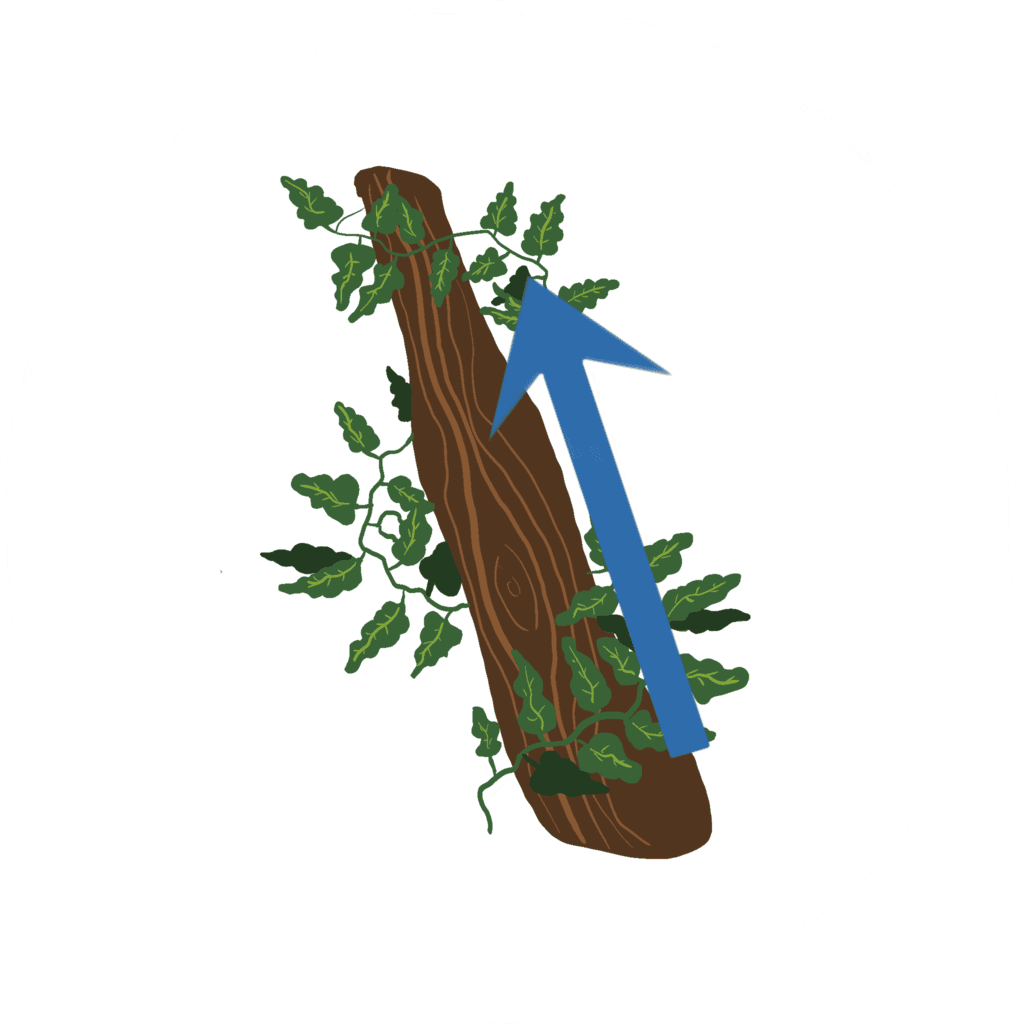
Dense planting is useful, but the gecko still needs clear movement routes through the enclosure.
A good setup should include:
- Vertical climbing routes
- Thin horizontal and diagonal branches
- Access to feeding ledges
- Clear areas for observation
- Sheltered areas for security
- A hollow, humid hide
- Space for plants to grow
The aim is controlled complexity, not clutter.

Prune Before the Enclosure Becomes Overgrown
Pruning should be part of normal enclosure maintenance. It keeps plants healthy, maintains airflow and prevents one species from dominating.
Regular pruning also helps maintain clear feeding areas and makes it easier to monitor the gecko.

Think Long Term
A planted enclosure changes over time. The best approach is to build a layout that will improve as the plants establish, rather than one that only looks good on the first day.
Leave room for growth, expect to prune and be prepared to replace plants that do not suit the conditions.
Plant Preparation
Before adding plants to a crested gecko enclosure, they should be prepared carefully.
Recommended preparation steps:
- Choose healthy, pest-free plants
- Rinse leaves thoroughly
- Remove as much nursery soil as possible
- Repot into a suitable terrarium-safe substrate
- Quarantine plants where possible
- Avoid plants with sharp spines
- Avoid plants with irritating sap
- Avoid plants that have been treated with pesticides
- Monitor plants closely after planting
Plant choice is only part of the process. Preparation, placement and maintenance are just as important.

Humidity, Seasonality and Planting
Crested geckos need a humid but ventilated environment. A planted enclosure can help support humidity, but it should not become stagnant.
A useful target range is 60–80% relative humidity, with daily misting and sensible drying periods. Seasonal changes can also be used to refine care. A drier season may involve misting once daily in the evening, while a wetter season may involve misting two to three times per day.
Planting should support this natural rhythm. Ferns, mosses and epiphytes can help create humid resting areas, while branches and open structure help the enclosure dry and breathe between misting.
Bioactive Custodians and Clean-Up Crew
A planted enclosure is not automatically bioactive.
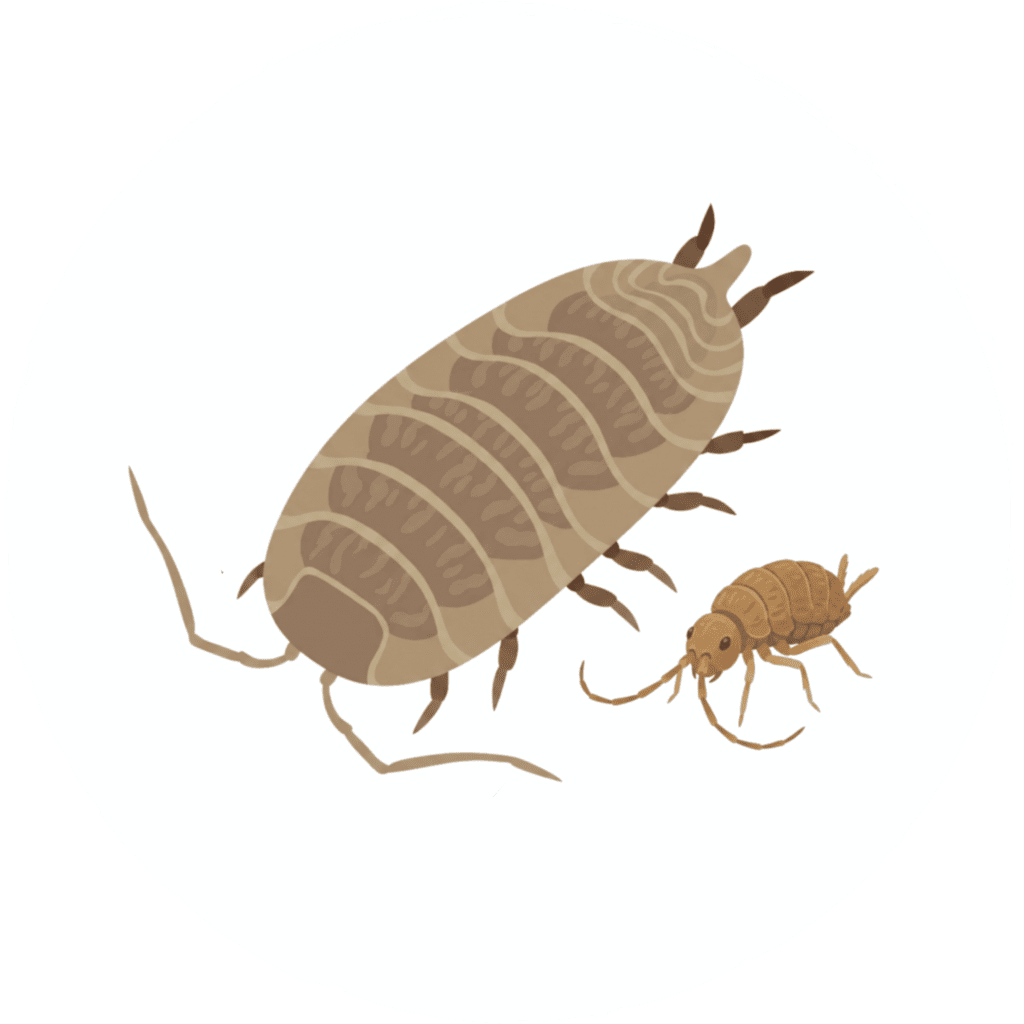
For an enclosure to function as a bioactive system, it needs custodians such as springtails and tropical woodlice. These animals help break down waste, shed skin, leftover food and decaying plant material.
Without a clean-up crew, the enclosure is better described as a planted terrarium rather than a true bioactive setup. It may still look natural, but it will usually need more direct cleaning and maintenance from the keeper.
A functioning bioactive enclosure should include:
- Suitable substrate
- Leaf litter
- Moisture gradients
- Springtails
- Tropical woodlice or other suitable isopods
- Time for the clean-up crew to establish
- Sensible feeding and cleaning routines
Crested geckos may eat isopods, so the clean-up crew should be monitored and topped up when needed. Custodians are not a replacement for good husbandry, but they are an important part of a stable bioactive enclosure.
Natural Habitat, Natural Feeding Inspiration
Field observations from New Caledonia show how important complex forest structure is for crested geckos. These animals are associated with layered vegetation, climbing routes, ferns, epiphytes, bark, branches and fruiting understory plants.
This habitat-led thinking also helps guide the development of Blue River Diets. Understanding the natural environment gives better context for how crested geckos live, move, feed and use their surroundings.
A well-planted enclosure, a carefully developed diet, appropriate live food, seasonal variation and good enclosure structure should work together to support more naturalistic reptile keeping.